| |
In this issue...
- The new Future Homes Standard - Parts L & F
- 700 new Building Inspectors?
- Approved Doc B under review
- MOE for disabled people
Plus: Construction Products....FRA's....Smart Meters....Wee the people...
|
| |
|
|
| |
|
|
| |
|
REGISTERED BUILDING INSPECTORS - Upskilling and technical excellence...
|
| |
|
Technical Training Director Zoe Cox explains the continuous improvement plans for RBIs at SOCOTEC Building Control...
|
| |
|
|
|
|
|
|
|
| |
|
APPROVED DOCUMENT C PART 2 - Resistance to moisture...
|
| |
|
Head of Technical Joshua Davies explores the crucial importance of Part C compliance in preventing the causes of dampness and mould...
|
| |
|
|
|
|
| |
|
|
| |
|
|
| |
|
Make sure you're subscribed to our SOCOTEC Building Control YouTube channel to receive notification of our videos.
|
| |
|
|
| |
|
|
|
| |
THE NEW FUTURE HOMES STANDARD – PARTS L & F
“…a fundamental evolution in construction practice…”
|
| |
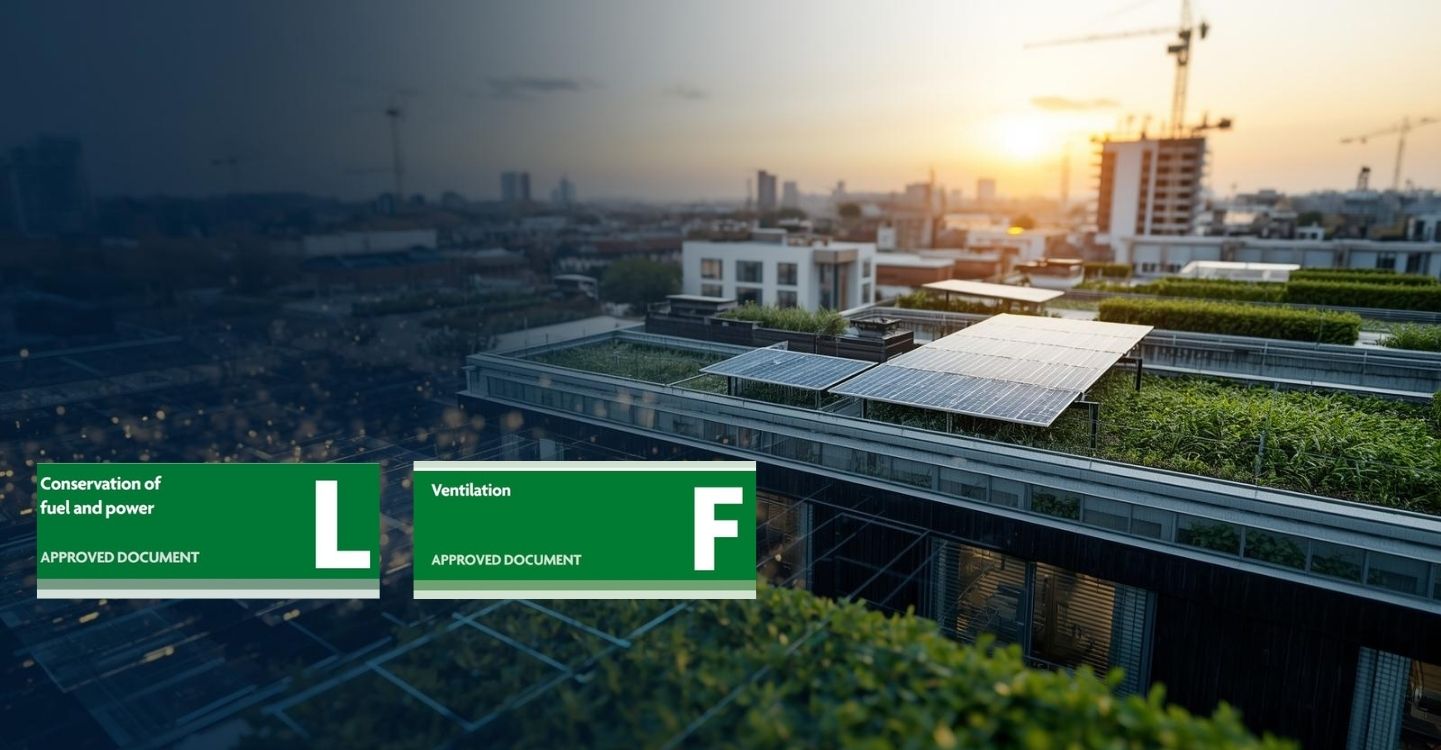 On 24th March 2026 the Ministry of Housing, Communities and Local Government published the Future Homes Standard.
SOCOTEC’s Head of Technical Joshua Davies explains the new guidance….
|
| |
|
|
| |
|
|
|
| |
£70m FUNDING TO ADDRESS BUILDING SAFETY SHORTAGES -
MHCLG promises 'up to 700 new Registered Building Inspectors...'
|
| |
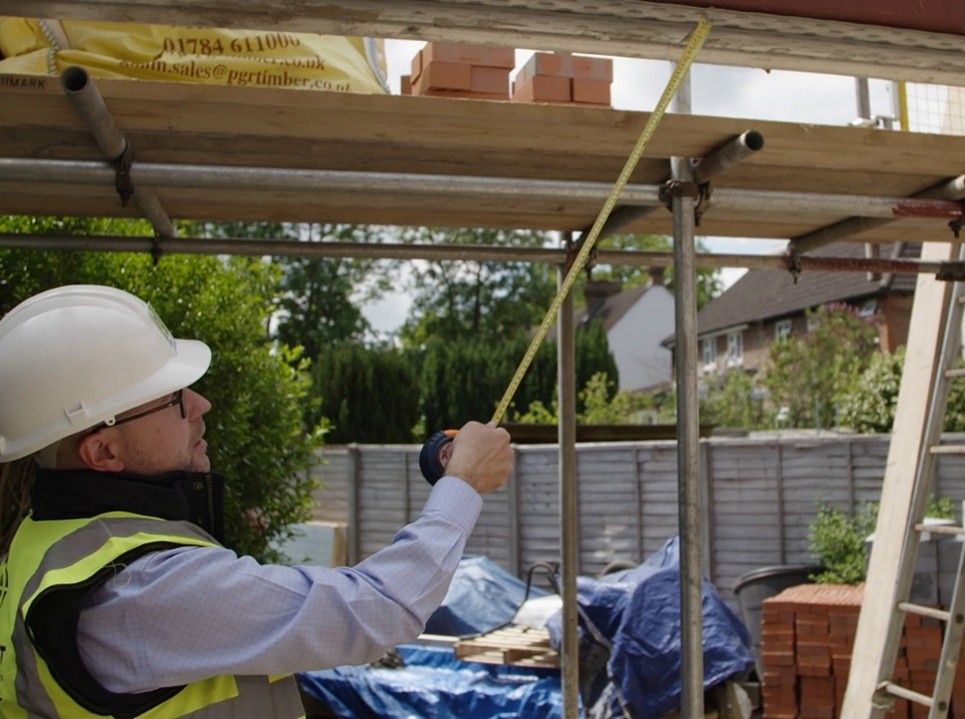 The government has announced a new £70 million funding to address shortages in building safety professions and help build 1.5 million homes.
It is intended to provide :
The government has announced a new £70 million funding to address shortages in building safety professions and help build 1.5 million homes.
It is intended to provide :
-
Up to 700 new Registered Building Inspectors trained, and funding available for upskilling of existing ones
-
Funding for bursaries in Fire Engineering higher education programmes, higher education provision, research and academic capacity
-
More building inspectors and fire engineers to approve new homes
|
| |
|
|
| |
|
|
|
|
|
| |
|
FIRE SAFETY: A significant review of Approved Doc B...
|
| |
|
The HSE has announced a significant review of Approved Document B to enhance fire safety standards across England.
This will include collaboration with the Building Safety Regulator (BSR) and Ministry of Housing, Communities and Local Government (MHCLG).
|
| |
|
|
| |
|
|
|
|
| |
|
FIRE SAFETY: Means of Escape for disabled people - new report...
|
| |
|
The government has published the results of a report that was carried out by a BRE Global Project team under a Contract placed by MHCLG.
The aims of the project were to assess the current provisions in Approved Document B (AD B) and review alternative approaches in providing means of escae for people with disabilities.
|
| |
|
|
| |
|
|
| |
|
Was this email forwarded to you?
|
| |
|
Sign up to get the latest news and updates sent directly to your inbox
|
| |
|
|
| |
|
|
|
| |
|
JOIN OVER 37,000 UK Construction Industry SUBSCRIBERS -
"...understanding the complicated world of Building Regs has never been more important...this newsletter is an absolutely essential source of information...and no ads!"
|
| |
|
|
|
|
| |
|
FIRE SAFETY - Government launches consultation on competence and regulation of Fire Risk Assessors...
|
| |
This consultation seeks views on proposals relating to the fire risk assessor profession.
It covers the following areas :
- the future development of the fire risk assessor profession
- the powers needed to regulate the fire risk assessor profession
- implementation approaches for competency requirements in the fire risk assessor profession
|
| |
|
|
| |
|
|
| |
|
IN 2025 OUR YOUTUBE CHANNEL ACHIEVED:
|
| |
|
Over 53,000 video views
Over 3,000 hours of Building Regs CPD watched
With over 2.7K subscribers and everyday there are more - our channel is in the top 8% of YouTube channels globally
“… FAR AND AWAY THE BEST BUILDING REGULATIONS CHANNEL ON YOUTUBE…”
|
| |
|
|
| |
|
|
|
| |
|
CONSTRUCTION PRODUCTS - What the Construction Products Reform White Paper means for the industry
|
| |
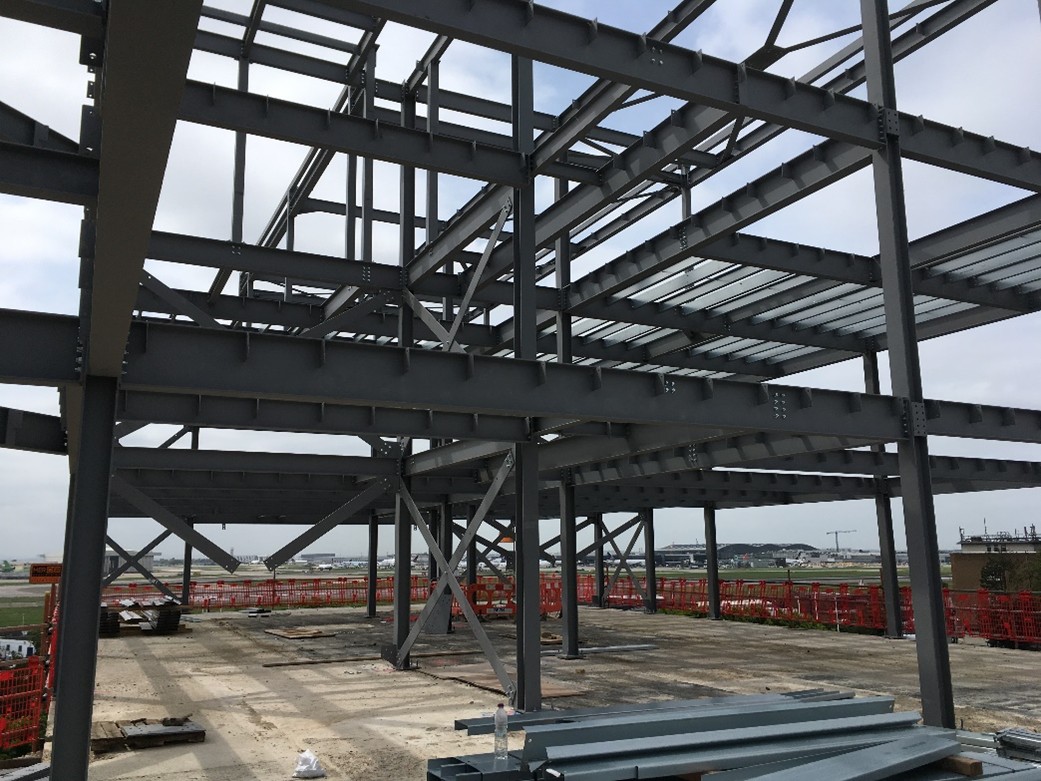
At the end of February, MHCLG published the first Grenfell Tower Inquiry Government Annual Report on the implementation of the Grenfell Tower Inquiry Phase 2 recommendations. Alongside this, the Government also released the Construction Products Reform White Paper.
|
| |
|
|
| |
|
|
|
| |
|
CONSTRUCTION PRODUCTS - Safe products Code of Practice...
|
| |

Bsi has recently published
PAS 2000:2026 Construction products. Bringing safe products to market. Code of practice.
PAS 2000:2026 provides recommendations that construction product manufacturers and other economic operators can adopt to demonstrate that they have taken all reasonable steps to ensure that the construction products they place on the market are safe for their intended use.
|
| |
|
|
| |
|
|
|
|
|
| |
|
HSE RESEARCH : Help shape the future of Building Safety...
|
| |
HSE is carrying out research to measure the new regime's impact on industry standards and building quality.
Your professional experiences can help inform future policy, statutory reviews and operational planning.
Current research opportunities are :
- regulation of the building control profession
- building control "gateways" and HRB design and construction
- HRB design and construction longitudinal case studies
|
| |
|
|
| |
|
|
|
|
| |
|
SMART METERS: Design and construct new builds to enable smart meter installations...
|
| |
|
UK government has published guidance on how to design and construct domestic and non-domestic new build premises so that smart meters can be installed and commissioned in them from the onset.
|
| |
|
|
| |
|
|
| |
|
WHOLE LIFE CARBON ASSESSMENT
|
| |

Whole Life Carbon Assessment: from policy to practice
The construction industry is facing a growing challenge. For highly energy-efficient new buildings, embodied carbon can make up as much as 70% of total lifetime emissions. While a lot of focus has been placed on reducing operational carbon through building performance standards, emissions from materials, construction and end-of-life are now becoming the main issue when it comes to reaching net zero.
|
| |
|
|
| |
|
|
|
| |
|
And Finally...
New Books arriving in 2026
|
| |
|
|
| |
|
|
| |
|
|
|
| |
|
DESIGNING MIND FRIENDLY ENVIRONMENTS
|
| |
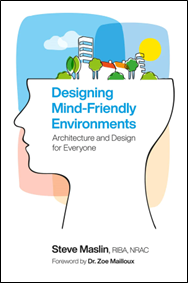
Exploring the impact of the built environment and design on people with a range of neurological experiences, including autism, dementia, dyslexia and dyspraxia, this comprehensive guide provides project commissioners, architects and designers with all the information and personal insight they need to design, create and build 'mind-friendly' environments for everyone.
Assimilating knowledge from medical, therapeutic, social and educational spheres and using sensory integration theory, the book explores the connection between our minds and our surroundings and considers the impact of the environment on the sense, well-being and neurodiverse needs of people. The book shows how design adaptations to lighting, acoustics, temperatures, surfaces, furniture and space can positively benefit the lives of everyone across a range of environments including workplaces, retail, sport and leisure, domestic, educational institutions, cultural and civic spaces, outdoor spaces and places of worship.
Universal in its approach and written by an experienced architect and inclusive design consultant, this book is essential reading for professionals in architecture and design, education, organisational psychology, business management and occupational therapy.
From £27.99
|
| |
|
|
| |
|
|
|
| |
|
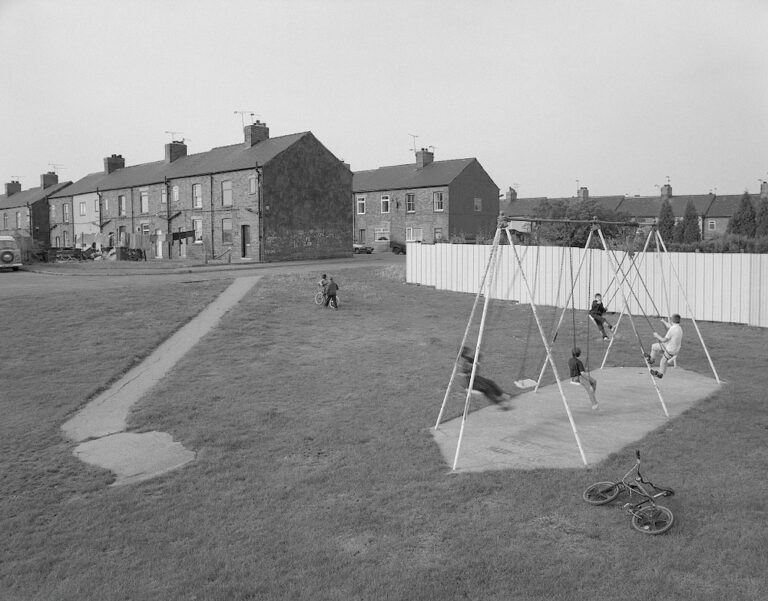
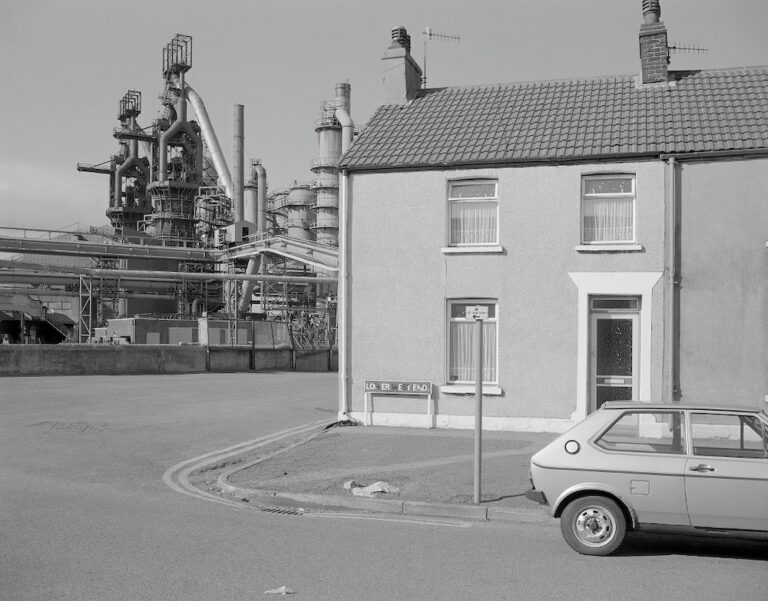
FIELD TRIPS - Travels in Britain 1976-1993
|
| |
|
|
| |
|
|
| |
|
|
|
| |
|
THE MODERN BRITISH CITY 1945-2000
|
| |
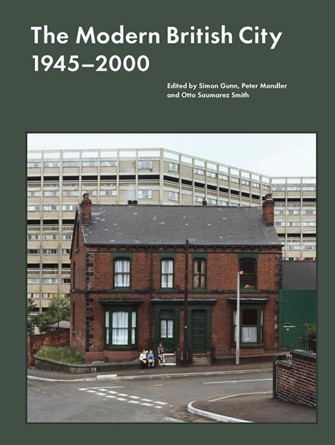
Bringing together architectural, urban and social historians, this book charts the extraordinary changes that took place in British cities between the end of the Second World War and the early 21st century. This ambitious volume captures something of the diversity of the modern British city through a multi-disciplinary approach, exploring gentrification and multiculturalism, shopping and night life, as well as demography and statistics.
For much of the first two-thirds of the 20th century, ‘modern’ in the British urban context meant the purging of the Victorian past. Even so, much of the terraced housing and the monumental architecture of city centres still dated from the 19th century. Disdained by architectural critics in the first half of the 20th century, structures like Covent Garden’s Market Building, Manchester’s Royal Exchange and Liverpool’s Albert Dock would become pivots of the conservation and restoration movement which accompanied Britain’s ‘urban renaissance’ from the 1970s onwards.
As this book shows, after 1950 a series of long-term historical processes combined to transform the British city. Mass automobility brought with it motorways, underpasses and flyovers. Deindustrialisation left a profound mark on large areas of urban Britain, with enduring consequences for the communities affected. Immigration not only brought more diverse people and voices to British cities than ever before, but with them, a fresh variety of stores, restaurants, places of worship and venues for entertainment. Likewise, urban planning and the fruits of consumerism left their mark in the ubiquitous presence of civic centres, shopping malls and cultural quarters. The book shows how these processes did not operate separately, but in complex inter-relationship with one another, often producing unintended outcomes.
28 November 2025
From £17.00
|
| |
|
|
| |
|
|
|
| |
|
DESIGNING INCLUSIVE PUBLIC TOILETS : WEE THE PEOPLE
|
| |
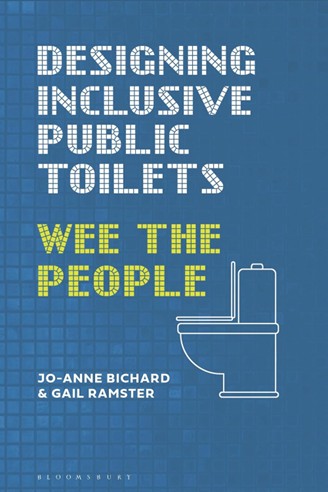
Based on 20 years of research and incorporating perspectives from over 500 participants, this book provides a critical overview of public toilet design in the UK and presents an urgent need to re-evaluate the accessibility of, and culture around, these essential spaces.
Public toilets are a vital element of public health infrastructure and an area of the built environment that everyone would use, if they could. Drawing from a rich body of research into toilet design, public services, accessibility and social injustice, Jo-Anne Bichard and Gail Ramster explore the complexities around using these facilities and examine a diverse array of design considerations related to age, disability, neurodiversity and gender. The authors look at the development of toilet design in the UK, discussing examples of successful and failed designs, and present an innovative approach for the future that reframes a space associated with unpleasantness and inaccessibility as one that is essential and respected.
This rigorous study takes into consideration the body’s needs and decision making on leaving home, issues of navigating, locating and entering facilities, and issues related to cubicles, fixtures, products and hygiene. The authors present an inclusive design approach that can help designers, planners and managers create these spaces more effectively and understand what every prospective user might need, with a sense of safety, comfort and dignity.
Published 2025
Paperback from £20.65
|
| |
|
|
| |
|
|
|
|
|
|